
How Biotechs Can Streamline Their In Vivo Preclinical Research Timelines
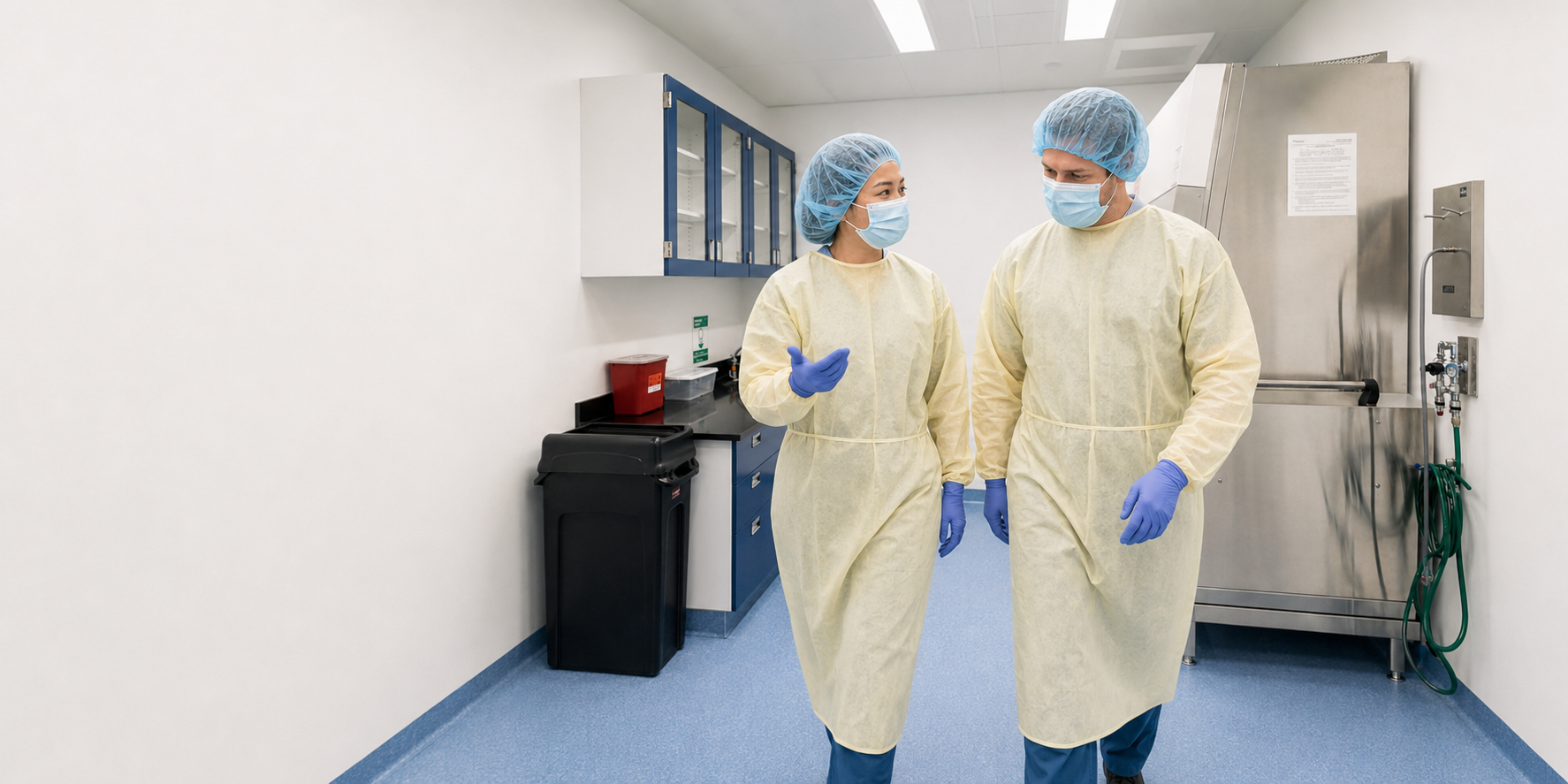


The drug development process is one that is long, complex, and expensive, involving multiple phases of research, testing, and regulatory oversight.
As a researcher, it's essential to understand the drug development process and recognize how preclinical studies influence its progress. In vivo preclinical research plays a pivotal role in shaping the success of drug development by mitigating risks, establishing efficacy, and guiding clinical trial design.
At Mispro, we help researchers run their own studies, offering affordable, flexible, and fully supported in vivo research solutions. Our state-of-the-art contract vivarium facilities and expert services accelerate preclinical timelines and ensure high-quality results.
For researchers running their own studies, here’s what to know about in vivo preclinical research timelines and how to navigate the preclinical phase in drug development efficiently and effectively at a contract vivarium facility.
Article Contents
- How Long Does Preclinical Research Take?
- Common Reasons for Preclinical Research Delays
- Why a Contract Vivarium Is The Right Option for Accelerated Timelines
- What Biotechs Can Do To Speed Up The Process
How Long Does In Vivo Preclinical Research Take?
At Mispro, our IACUC team reports that the in vivo preclinical research process takes anywhere from a few months to over a year. Expectations for timelines can vary widely depending on the study:
- Pharmacokinetics/Pharmacodynamics (PK/PD) studies typically take about 28 days, including dosing and blood/tissue collections.
- Small molecule studies usually run 4–8 weeks after animal acclimation.
- Gene therapy studies tend to be quicker, averaging 1–2 months.
- Immunology studies are among the longest, lasting 4+ months because of disease induction and immune response tracking.
- Oncology studies often take 3+ months, with some extending to 9–12 months due to tumor growth and monitoring.
Common Reasons for Preclinical Research Timeline Delays
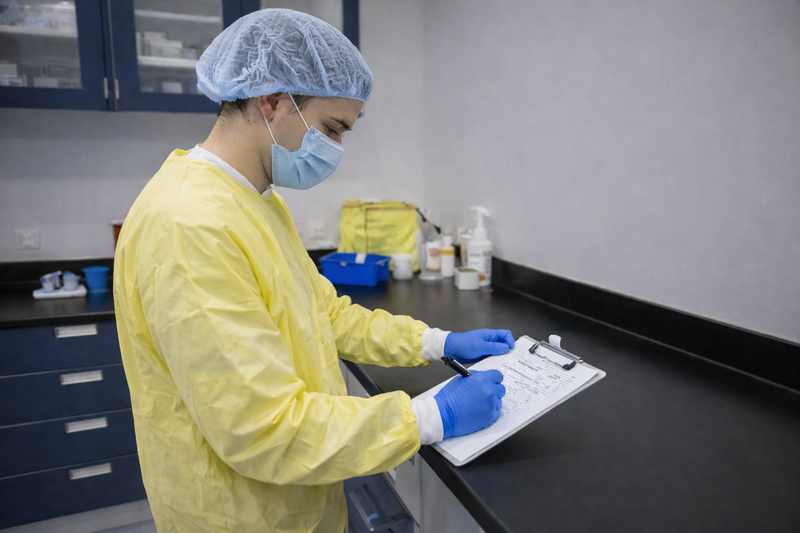
Preclinical research is a pass/fail process that aims to fail fast in order to move forward efficiently. These studies help establish a strong foundation for clinical trials, bringing the drug candidate closer to market approval while minimizing risks and optimizing timelines.
Here are a few factors that can affect in vivo preclinical research timelines:
- Study Design & Complexity
- Field of Study
- Early Failures
- Animal-Related Factors
- Regulatory & Administrative Process
- Scheduling & Facility Availability
- Biotech Readiness
- Study Execution & Success
Read more about each reason below:
1. Study Design & Complexity
The overall complexity of your study has a major impact on your timeline. Simple PK/PD studies with clear collection time points often take 4–8 weeks, while more complex models like tumor or disease progression studies can stretch into several months. The type of data you’re collecting also shapes the schedule. Some studies require monitoring over time to hit specific biological milestones before proceeding.
2. Field of Study
Different research areas come with different timelines. Gene therapy studies tend to move quickly and may wrap in as little as a month. In contrast, oncology studies typically last 3 months or more, as tumor growth and response must be observed over time. Immunology studies are often the most time-consuming, with durations of 4 months or longer, due to complex immune responses and extended observation periods.
Average Preclinical Timeline by Research Area
- Gene Therapy: ~1 month. Fastest; straightforward studies
- PK/PD: ~4-8 weeks. Structured, predictable
- Oncology: ~3 months+. Tumor growth adds variability
- Immunology: ~4+ months. Complex, high variability
3. Early Failures
Early failures in drug development can significantly extend timelines, but catching issues early through preclinical testing helps prevent costly setbacks later. Around 25% of studies don’t run as expected—often due to factors like study design, unexpected findings, or operational issues like animal delivery errors or health concerns—not due to the facility itself.
“Failing fast” in preclinical studies is crucial for minimizing delays and reducing costs in drug development. By identifying issues early, such as flaws in study design, unexpected findings, or operational problems like animal delivery errors, researchers can quickly adapt and adjust their approach.
4. Animal-Related Factors
Animal sourcing marks the starting point of most preclinical timelines. Delays can occur due to limited availability of specific strains, high demand, or biosecurity concerns that require quarantine or additional health screening. Compatibility between animal source and study requirements is critical; misalignment can lead to reordering or protocol adjustments.
5. Regulatory & Administrative Process
Depending on species used and/or federal/state/local regulations, regulatory approval may be required for starting in vivo studies. Institutional Animal Care and Use Committee (IACUC) review timelines vary, however experienced IACUCs can generally approve submissions within 30 days. There may be other permits, licensing, etc. that may impact study timelines, such as DEA licensing, MTAs, etc.
6. Scheduling & Facility Availability
Timing access to vivarium space depends on facility operations and scheduling protocols. In shared-use facilities, study start dates often hinge on room availability and prior commitments. The period between finalizing legal agreements and initiating a study can also be affected by how quickly space opens up and how ready the sponsor is to proceed.
7. Biotech Readiness
One of the most overlooked preclinical timeline factors is internal preparedness. If you're missing necessary materials, equipment, or haven't trained your team yet, your study will be delayed. Back-ordered components and gaps in staffing—especially in early-stage biotechs—can cause studies to start late or stall midstream. Planning ahead and clearly understanding what’s required to begin can save weeks.
8. Study Execution & Success
While many studies proceed as planned, it's not uncommon for ~25% to face unexpected challenges or early termination. Factors include protocol deviations, unanticipated results, or shifts in project direction. While early failure is sometimes inevitable in exploratory work, identifying issues early through strong study design and oversight can reduce downstream disruption.
Why Contract Vivarium is The Right Option for In Vivo Preclinical Research
Let’s take a closer look at the options for in vivo preclinical research available to Biotechs.
In-House Vivarium
Building your own vivarium for preclinical research involves high costs, ongoing maintenance, and regulatory compliance, which can extend timelines. It also requires skilled staff and significant time, with challenges in scaling and adapting to new technologies slowing progress.
Contract Research Organizations (CROs)
Outsourcing preclinical studies to a CRO can slow progress by removing control from your team and introducing delays caused by misaligned priorities and limited scheduling flexibility. Ultimately, a lack of control can cause delays and less certainty in the results, slowing down the process.
Contract Vivarium
A contract vivarium gives researchers control over their studies, access to full support and equipment, and the flexibility to move quickly. It’s a cost-effective way to accelerate timelines, adapt to setbacks, and generate stronger data to guide clinical trial design.
Contract vivariums provide the perfect balance of control, flexibility, and speed, making them the best choice for biotech companies looking to accelerate preclinical research.
| Feature | Contract Research Organizations (CROs) | Contract Vivarium (CV) |
|---|---|---|
| Preclinical Timeline Control | Limited control over scheduling and prioritization, leading to potential delays. | Full control over study timing, with prioritized scheduling and minimal delays. |
| Setup Time | Quick to start, but can experience delays based on client load and priorities. | Quick to start with minimal setup needed, as infrastructure is already in place. |
| Speed of Study Execution | Can be delayed by multiple client commitments and internal processes. | Fast execution due to flexible scheduling and experienced, readily available support. |
| Flexibility to Adapt | Less flexibility as CROs often have a fixed process and limited adaptability. | High flexibility with the ability to quickly pivot, adjust protocols, or modify study timelines. |
| Timeline for Study Amendments | Amendments may take weeks due to CRO's internal approval processes and client priorities. | Amendments are processed quickly (typically within 1 week), ensuring minimal delays. |
| Delays Due to External Factors | External delays (e.g., animal sourcing, vendor delays) are common. | Minimal external delays, with fast animal sourcing and fewer regulatory bottlenecks. |
| Time to Approval (e.g., IACUC) | IACUC approval can take 1-2 months depending on the CRO's process and committee schedule. | Fast-tracked IACUC approvals in about 2 weeks, ensuring studies can start quickly. |
| Risk of Delays During Study | Delays due to changes in protocol, scheduling conflicts, or client priorities. | Lower risk of delays due to streamlined processes, dedicated space, and rapid decision-making. |
| Overall Study Duration | Can vary greatly depending on the CRO's scheduling and capacity, leading to potentially longer study durations. | Shorter and more predictable timelines, with fast-track approvals and no waiting for space or resources. |
 Limited control over scheduling and prioritization, leading to potential delays.
 Full control over study timing, with prioritized scheduling and minimal delays.
| Contract Research Organizations (CROs) | Contract Vivarium (CV) | |
|---|---|---|
| Preclinical Timeline Control | Limited control over scheduling and prioritization, leading to potential delays. | Full control over study timing, with prioritized scheduling and minimal delays. |
| Setup Time | Quick to start, but can experience delays based on client load and priorities. | Quick to start with minimal setup needed, as infrastructure is already in place. |
| Speed of Study Execution | Can be delayed by multiple client commitments and internal processes. | Fast execution due to flexible scheduling and experienced, readily available support. |
| Flexibility to Adapt | Less flexibility as CROs often have a fixed process and limited adaptability. | High flexibility with the ability to quickly pivot, adjust protocols, or modify study timelines. |
| Timeline for Study Amendments | Amendments may take weeks due to CRO's internal approval processes and client priorities. | Amendments are processed quickly (typically within 1 week), ensuring minimal delays. |
| Delays Due to External Factors | External delays (e.g., animal sourcing, vendor delays) are common. | Minimal external delays, with fast animal sourcing and fewer regulatory bottlenecks. |
| Time to Approval (e.g., IACUC) | IACUC approval can take 1-2 months depending on the CRO's process and committee schedule. | Fast-tracked IACUC approvals in about 2 weeks, ensuring studies can start quickly. |
| Risk of Delays During Study | Delays due to changes in protocol, scheduling conflicts, or client priorities. | Lower risk of delays due to streamlined processes, dedicated space, and rapid decision-making. |
| Overall Study Duration | Can vary greatly depending on the CRO's scheduling and capacity, leading to potentially longer study durations. | Shorter and more predictable timelines, with fast-track approvals and no waiting for space or resources. |
How Biotechs Can Speed Up The In Vivo Preclinical Research Process
To get the most value from a Contract Vivarium facility, biotech companies should understand the role of a CV, and be prepared to take ownership of their own research. At Mispro, we’re here to help you efficiently run your own preclinical studies. We’re more than just lab space – we offer support services to help you run your studies.
Education on the Contract Vivarium Process
Misaligned expectations between clients, especially those from CRO backgrounds, and Contract Vivariums can lead to confusion and delays. Ensure your team understands CV processes to streamline operations. Mispro provides onboarding and support to ease this transition.
Make Sure You’re Ready to Lead Your Own Studies
While many biotech teams have strong scientific backgrounds, they may lack hands-on in vivo study experience. Equip your team with skills like injection techniques and study design to confidently manage your research. Mispro offers training to fill knowledge gaps and ensure smooth execution.
Mispro can help fill common knowledge gaps, including:
- Injection techniques
- Study design planning
- Proper equipment ordering
- Understanding in vivo physics and troubleshooting
Thoroughly Prepare to Conduct Your Own Studies
Clients often expect Mispro to handle expertise and coordination, but our role is to support them in running their own studies. Delays can occur when clients are unprepared or lack proper planning, such as not securing necessary components in advance. To avoid setbacks, meticulously plan your studies and ensure all resources are in place; Mispro can help identify potential issues early for a smooth start.
Proactively Handle Early Setbacks
Preclinical testing helps identify early issues, allowing researchers to quickly adapt and avoid costly setbacks. About 25% of studies face unexpected challenges, but early detection enables efficient adjustments. Leverage Mispro’s expert support to navigate setbacks to and identify and address issues before they cause costly setbacks.
Mispro Can Accelerate Your In Vivo Preclinical Research
Mispro’s facilities and services are a great resource for early-stage biotechs, offering them an affordable and reliable choice for in vivo studies that accelerates timelines and enables impactful science.
- Animal Care & Compliance: Mispro offers full animal care and compliance services, including husbandry, veterinary, and IACUC support. Our trained staff ensures the health and welfare of the animals, giving you confidence in your research results.
- Flexible options with all-inclusive pricing: Whether you're a startup needing a couple of cages and a shared procedure room or a mature biopharma requiring a large private suite, Mispro has options to fit your company's unique needs and budget.
- State-of-the-art facilities: Mispro’s AAALAC-accredited vivarium facilities provide modern, outfitted animal housing and procedure rooms, allowing researchers to independently conduct and manage their preclinical in vivo rodent studies.
- Technical services: Mispro provides in vivo technical support, including training in biomethodology, surgical procedures, colony management, and breeding. This support is valuable for early-stage companies lacking animal study expertise or lean teams needing additional assistance.
“We chose Mispro instead of building our own facility. The result has been accelerated timelines, confidence in data, and a clear path to clinical. Being able to focus on our research instead of also running and staffing a vivarium facility was the right choice for our company.”
Sr. Research Technician, Clinical Stage Gene Therapy Company
Ready to accelerate your preclinical research?
Ready to accelerate your preclinical research without the cost and complexity of building your own vivarium? Contact Mispro to learn how our flexible, fully supported Contract Vivarium can help your team move studies forward faster.
Learn how to accelerate your timeline with Mispro
Learn how a full service contract vivarium can support your preclinical research.